Journal
On cloisonné, thangka, oriental gifts, interior display and contemporary life.
This is not a blog. It is Linghua's oriental enamel knowledge hall — essays on the craft of cloisonné, on thangka and major works, on cultural gifting, interior display, the atelier experience and brand voice. Read them not just to admire a work, but to understand the gold wire, the mineral colour, the time and the oriental aesthetic behind it.
What is cloisonné?
Start with the gold wire, the mineral enamel and the firings — the basics of oriental cloisonné.
Start reading →02 · A major workWhat is a cloisonné thangka?
See how Himalayan iconography is carried by gold wire and mineral enamel — a new collectible category.
Start reading →03 · Cultural giftingHow to choose a cultural gift.
From budget and occasion to relationship and cultural voice — choose an oriental gift that matches the moment.
Start reading →Start here.
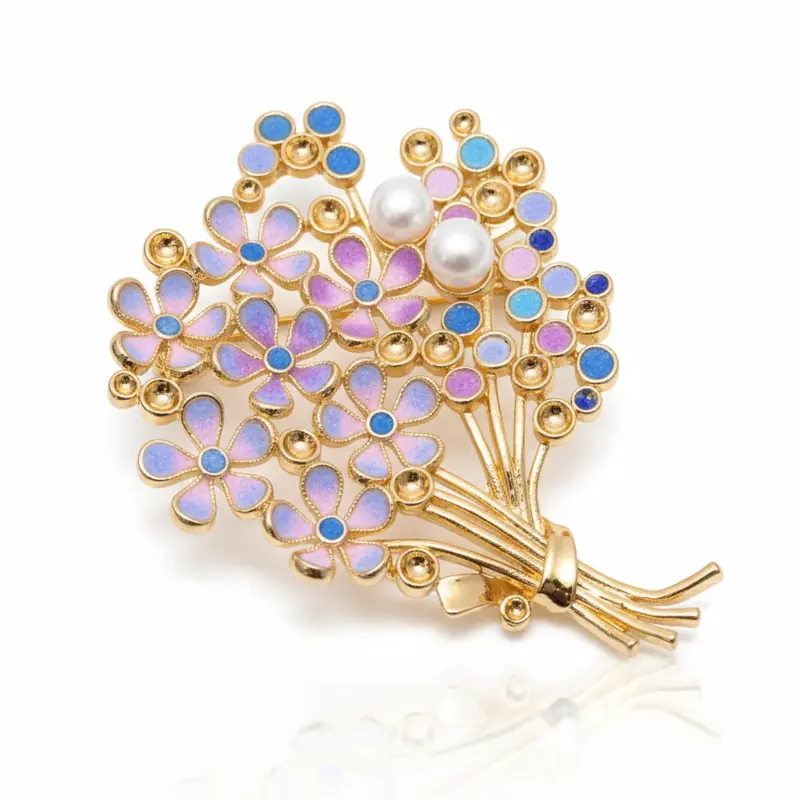
What is cloisonné? A 600-year oriental craft, explained.
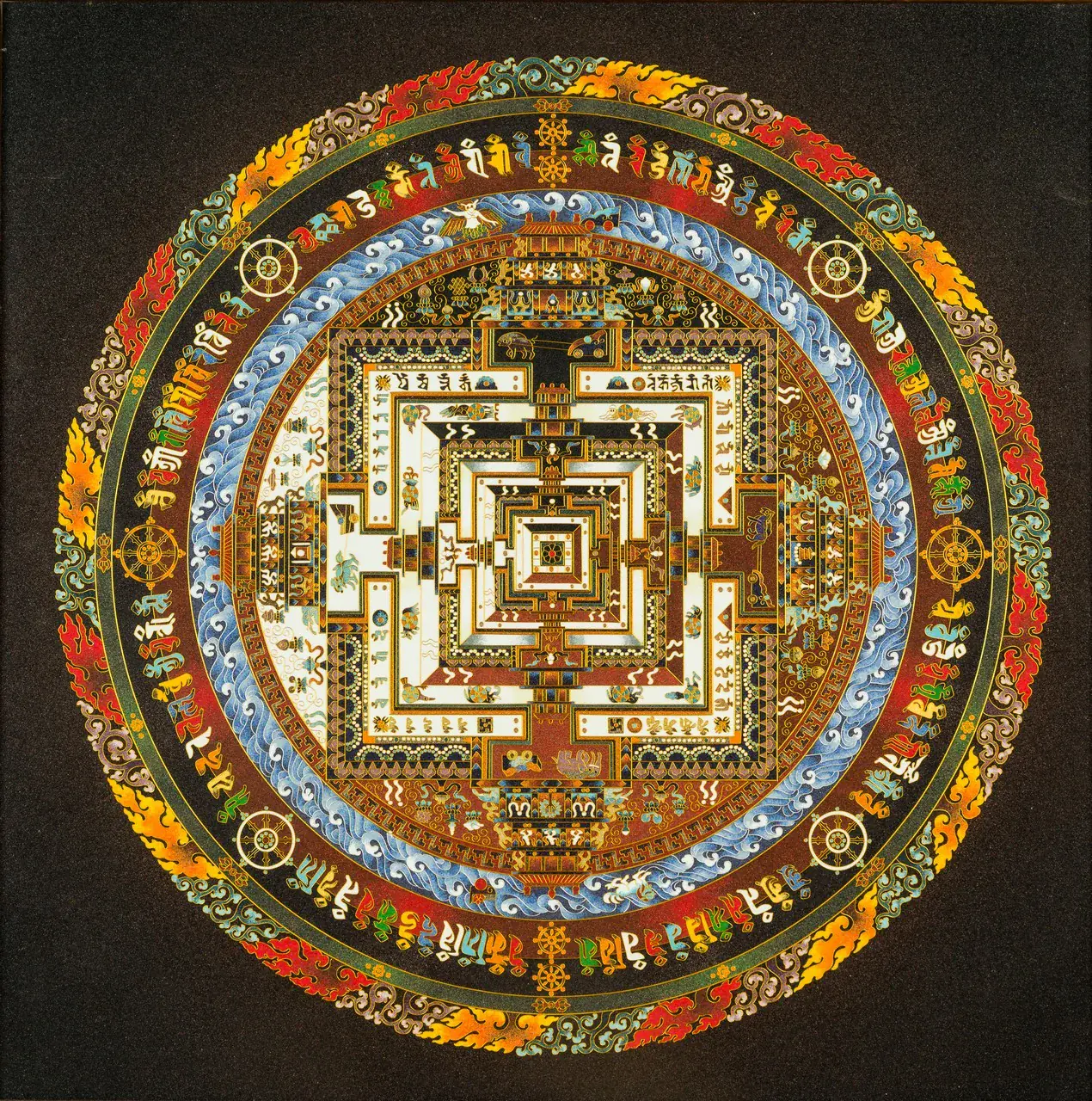
What is a cloisonné thangka? When oriental enamel meets Himalayan iconography.
What is jingtailan? The cultural side of Chinese cloisonné.
Read by the question you care about.
All essays
24 essaysWhat is cloisonné? A 600-year oriental craft, explained.
What is a cloisonné thangka? When oriental enamel meets Himalayan iconography.
What is jingtailan? The cultural side of Chinese cloisonné.
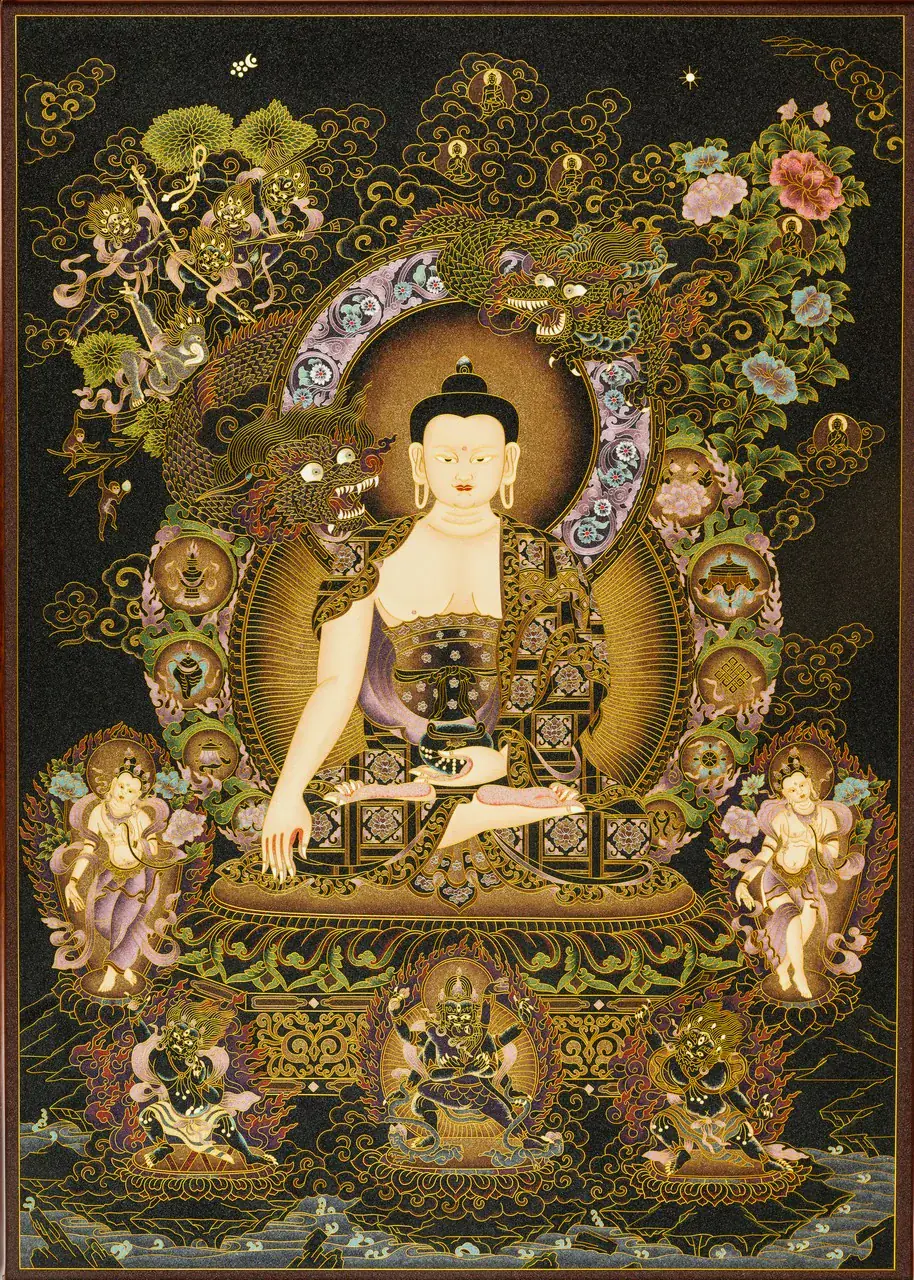
Cloisonné thangka vs traditional thangka: craft, material, context and collecting.
600 years of Chinese cloisonné, in one scroll.
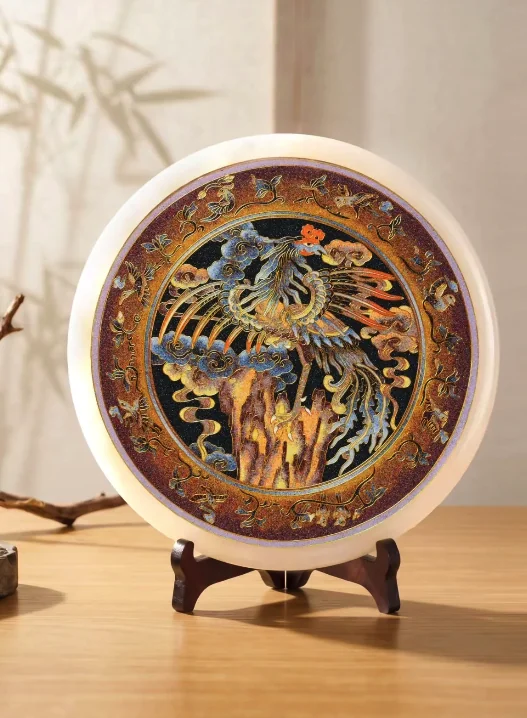
From ritual vessel to state gift — 600 years of cloisonné identity.
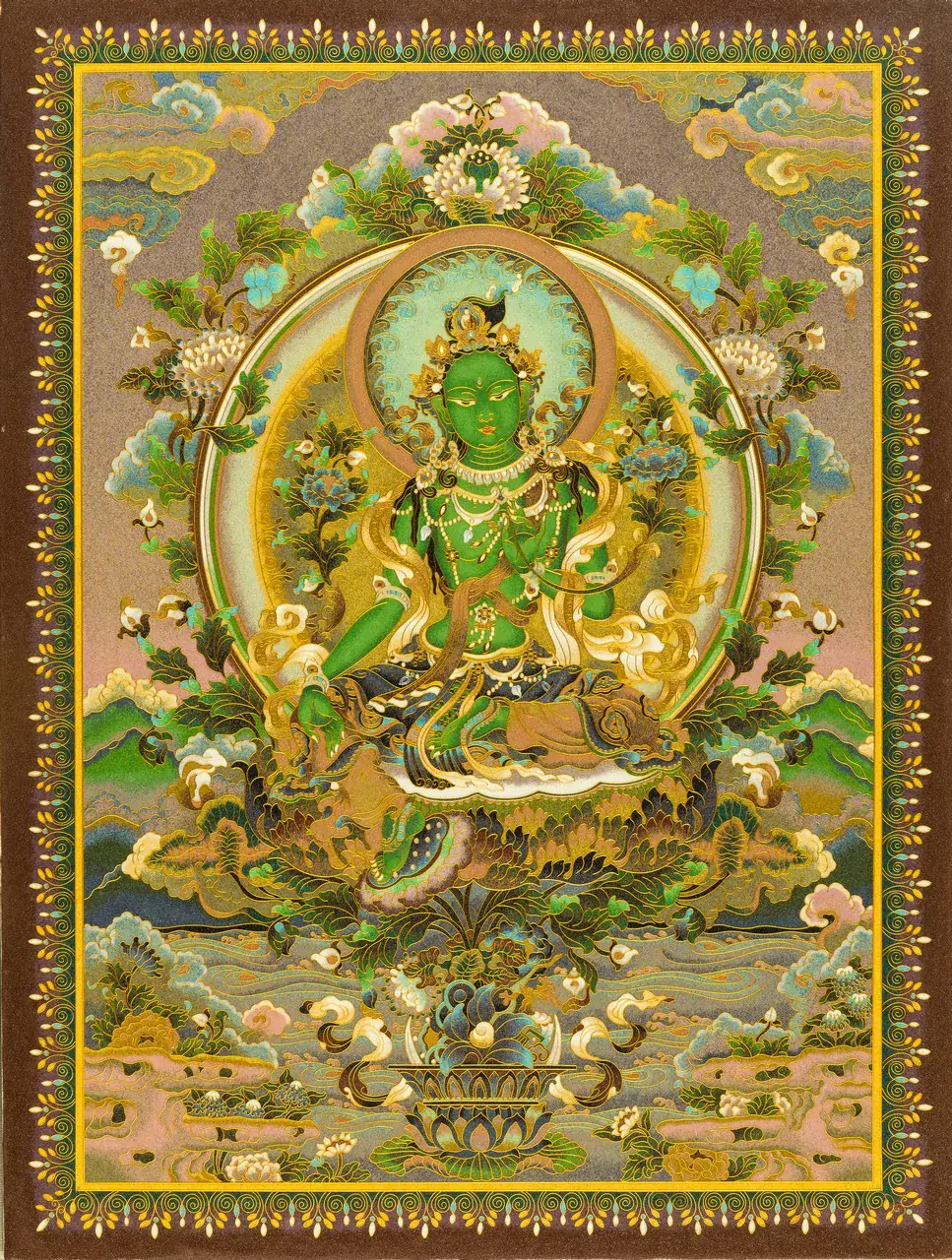
The enamel palette: from natural minerals to a contemporary oriental colour system.
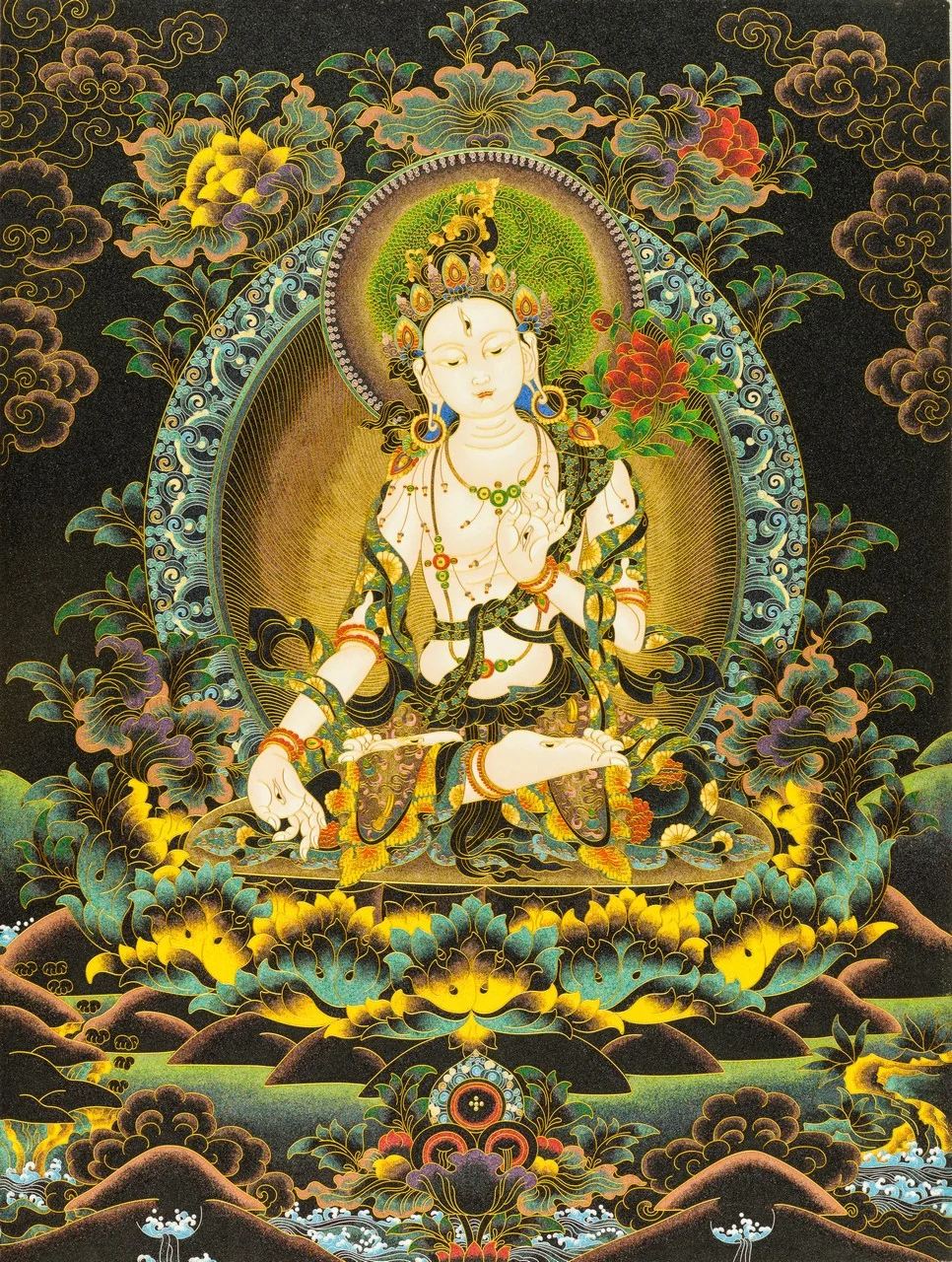
Why enamel is fired seven times: kiln, temperature, and the fate of a single work.
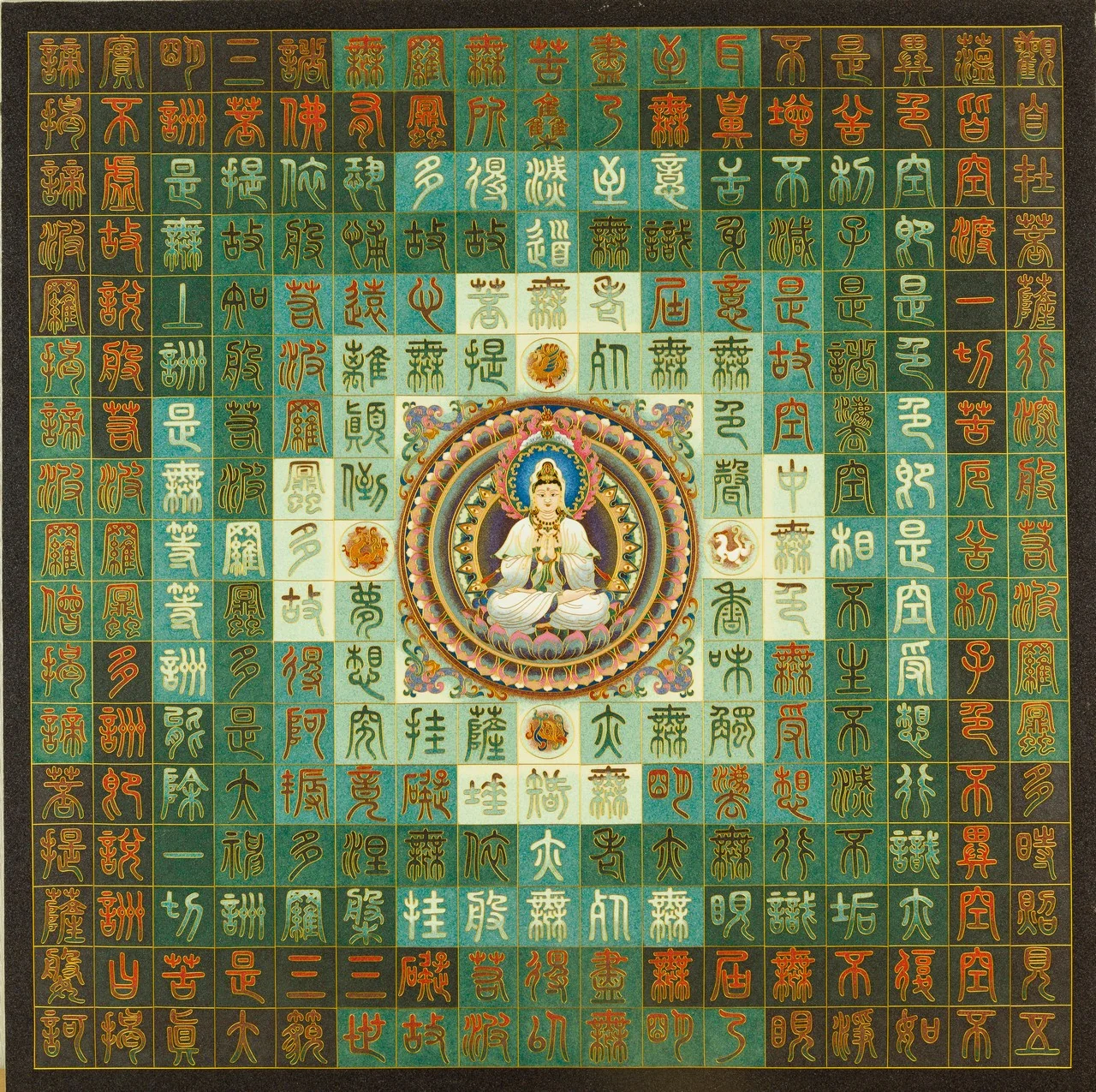
Reading a Guanyin Heart Sutra mandala: image, craft and oriental order.
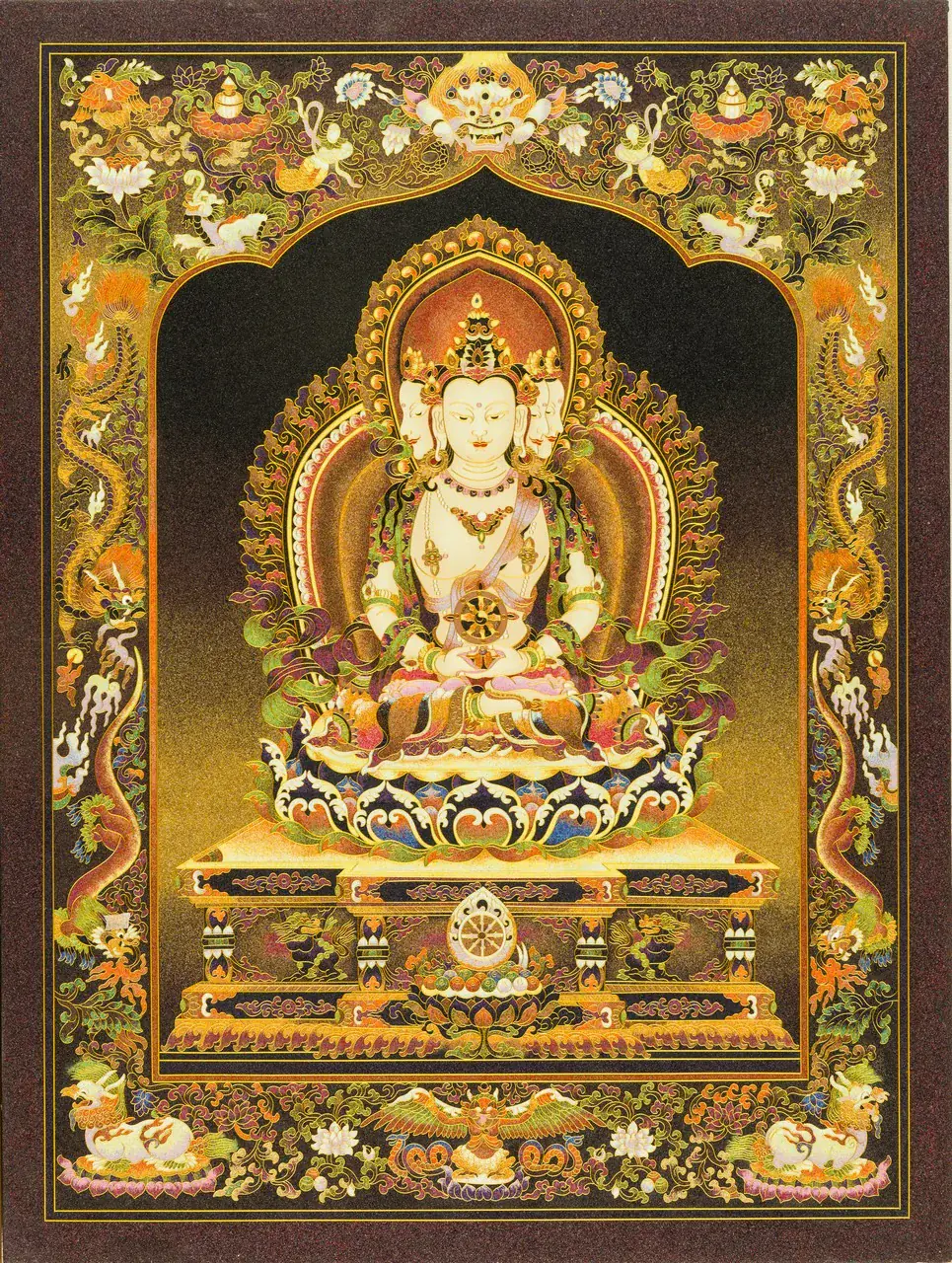
What oriental painting belongs in an office? A cultural guide to corporate space.

Heritage team-building in Guangzhou: the cloisonné experience, end to end.
Why the substance of a gift decides the weight of a relationship.
Linghua Journal
Linghua Journal
Linghua Journal
Linghua Journal
Linghua Journal
Linghua Journal
Linghua Journal
Linghua Journal
Linghua Journal
Linghua Journal
Linghua Journal
Linghua Journal
Not sure where to start?
I want to understand the culture and history.
From the reign-name origin of «jingtailan» to six centuries of dynasty arc and identity shifts — understand cloisonné as a Chinese imperial object and «the colour of China».
- What is jingtailan · the cultural side
- 600 years of cloisonné · interactive timeline
- From ritual vessel to state gift · five identities
- Continue with the craft essay
I want to understand the craft first.
From definition to colour to firing — build a complete picture of cloisonné enamel.
- What is cloisonné enamel
- The enamel palette system
- Why enamel is fired seven times
- Cloisonné vs jingtailan — what is the difference (coming soon)
I want to read thangka and collectible works.
From iconography to craft, from a single work to the commissioning process.
- What is a cloisonné thangka
- Cloisonné thangka vs traditional thangka
- Reading a Guanyin Heart Sutra mandala
- Cloisonné thangka commissioning process (coming soon)
I am looking at corporate gifting.
Choose oriental gifts whose substance and cultural voice match the relationship.
- Why the substance of a gift decides the weight of a relationship
- How to choose a high-end cultural gift (coming soon)
- Allocating a corporate gifting budget (coming soon)
- What to gift a visiting delegation (coming soon)
I want to book an experience or team-building.
Understand the heritage experience flow, audiences and booking.
- Heritage team-building in Guangzhou
- Full cloisonné experience flow (coming soon)
- Choosing a family heritage workshop (coming soon)
- Contact to book
A craft, once it stops being told,
begins to disappear.
Leave your email with the editors. When the next issue of the Journal is published, we will send one essay to you. Forwarding these letters to a friend who has not heard of cloisonné is the most direct support of an intangible heritage.