Buddha
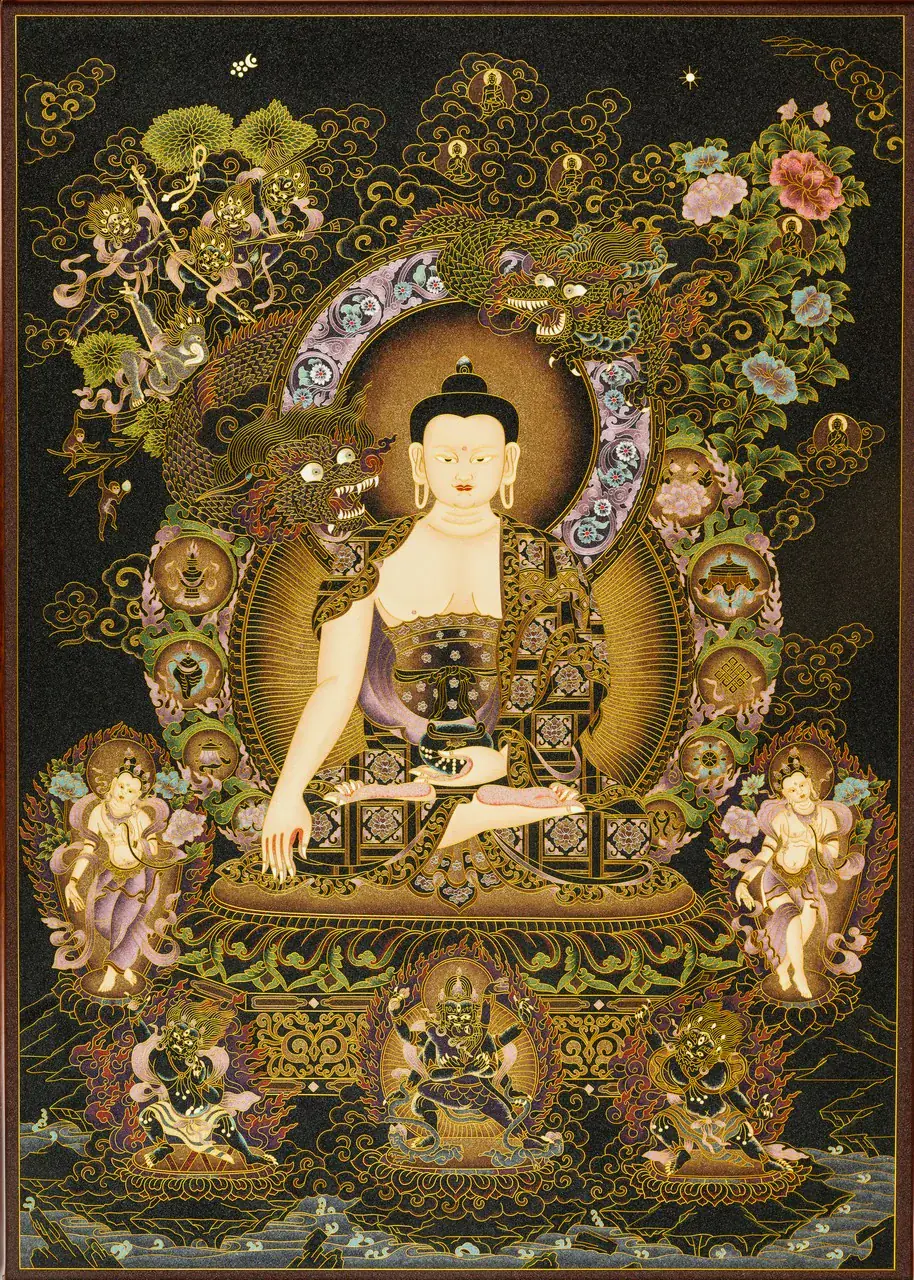
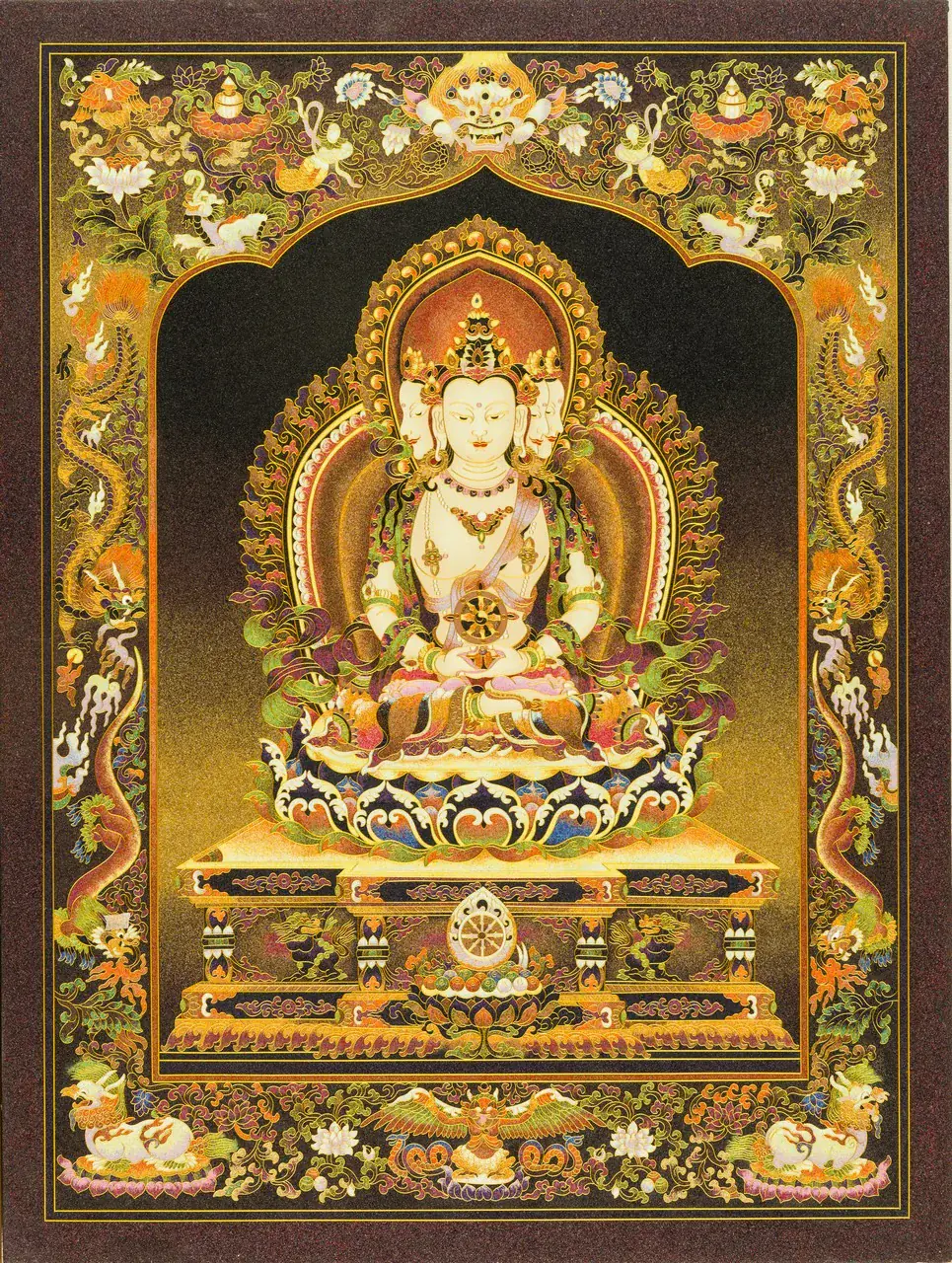
Shakyamuni, Amitabha, Bhaisajyaguru, Vairocana — the iconography from which every Linghua cloisonné thangka descends.
Shakyamuni, Amitabha, Bhaisajyaguru, Vairocana — the iconography from which every Linghua cloisonné thangka descends.
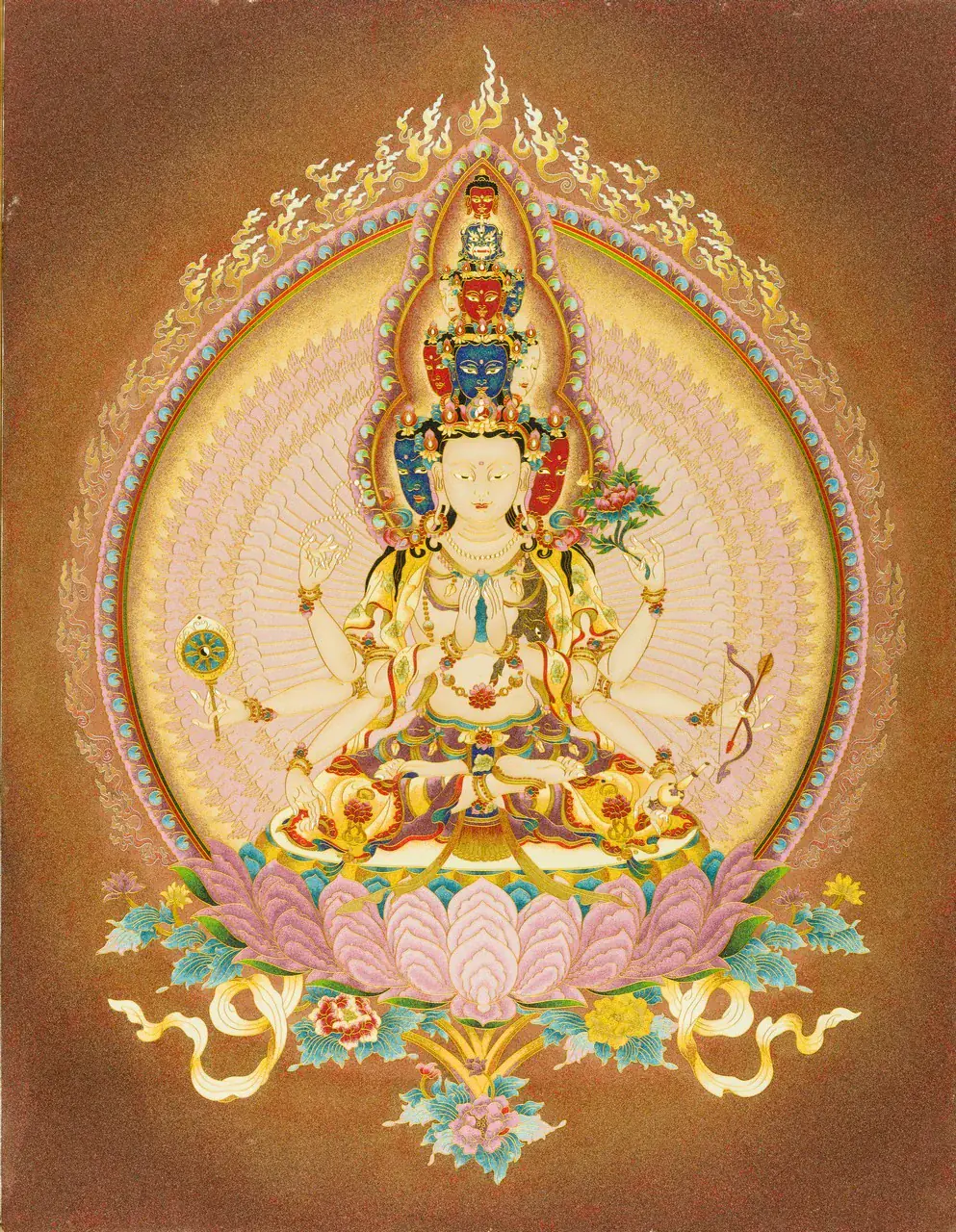
Avalokiteśvara, Mañjuśrī, Samantabhadra, Kṣitigarbha — softness of line meets density of attributes. The patience-test of cloisonné.
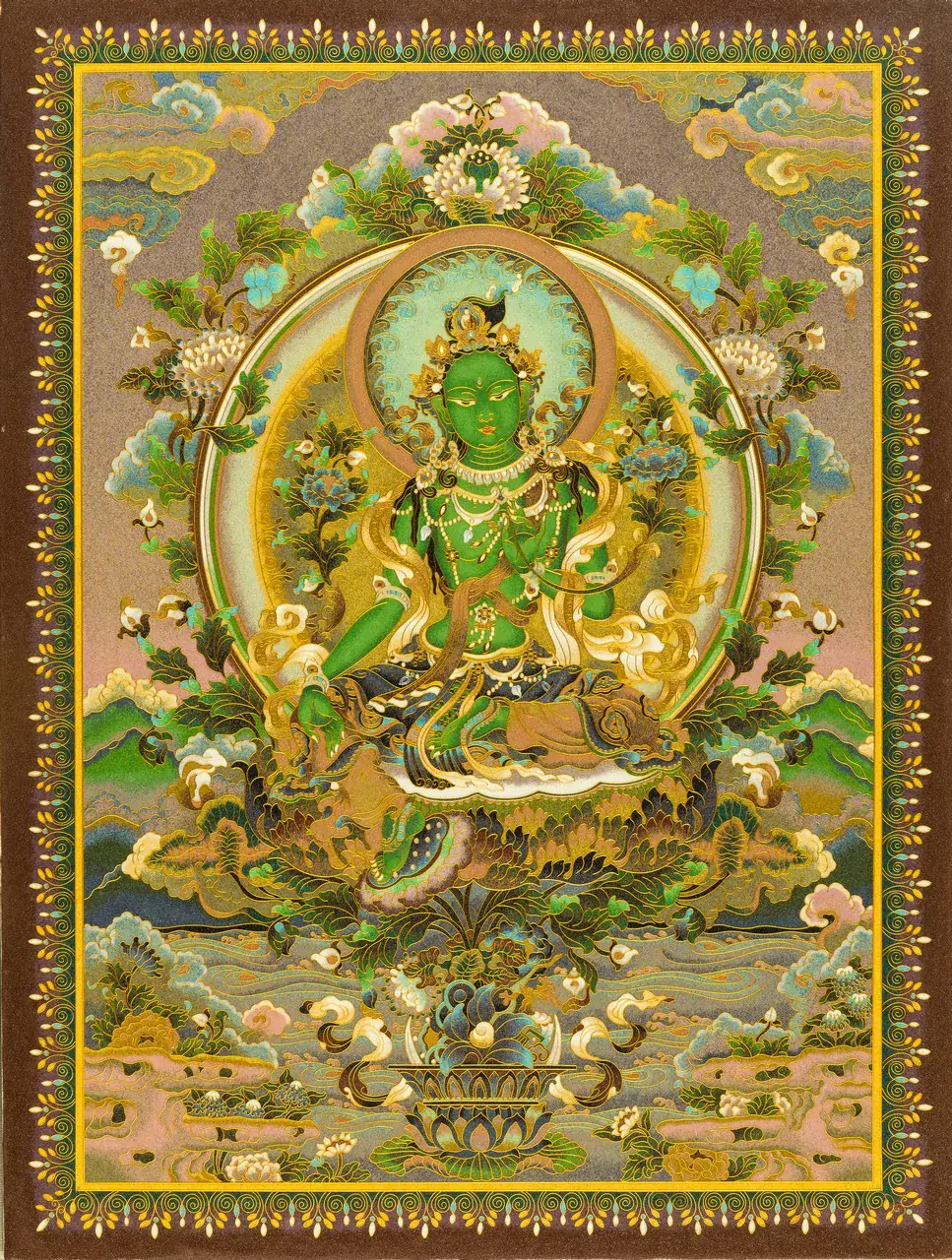
The twenty-one Taras, with Green Tara and White Tara at the centre — the complete feminine compassion canon of Vajrayana.
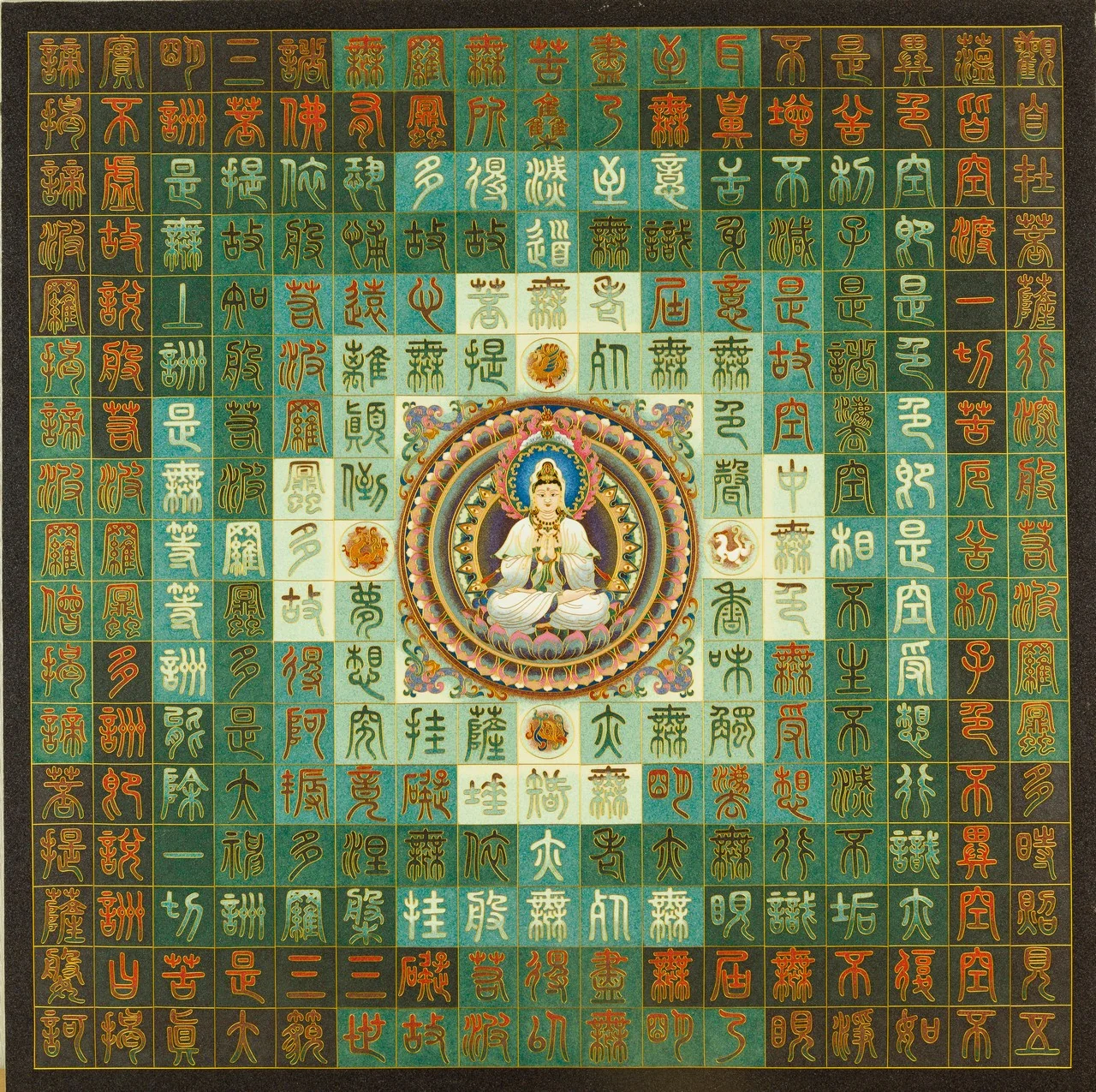
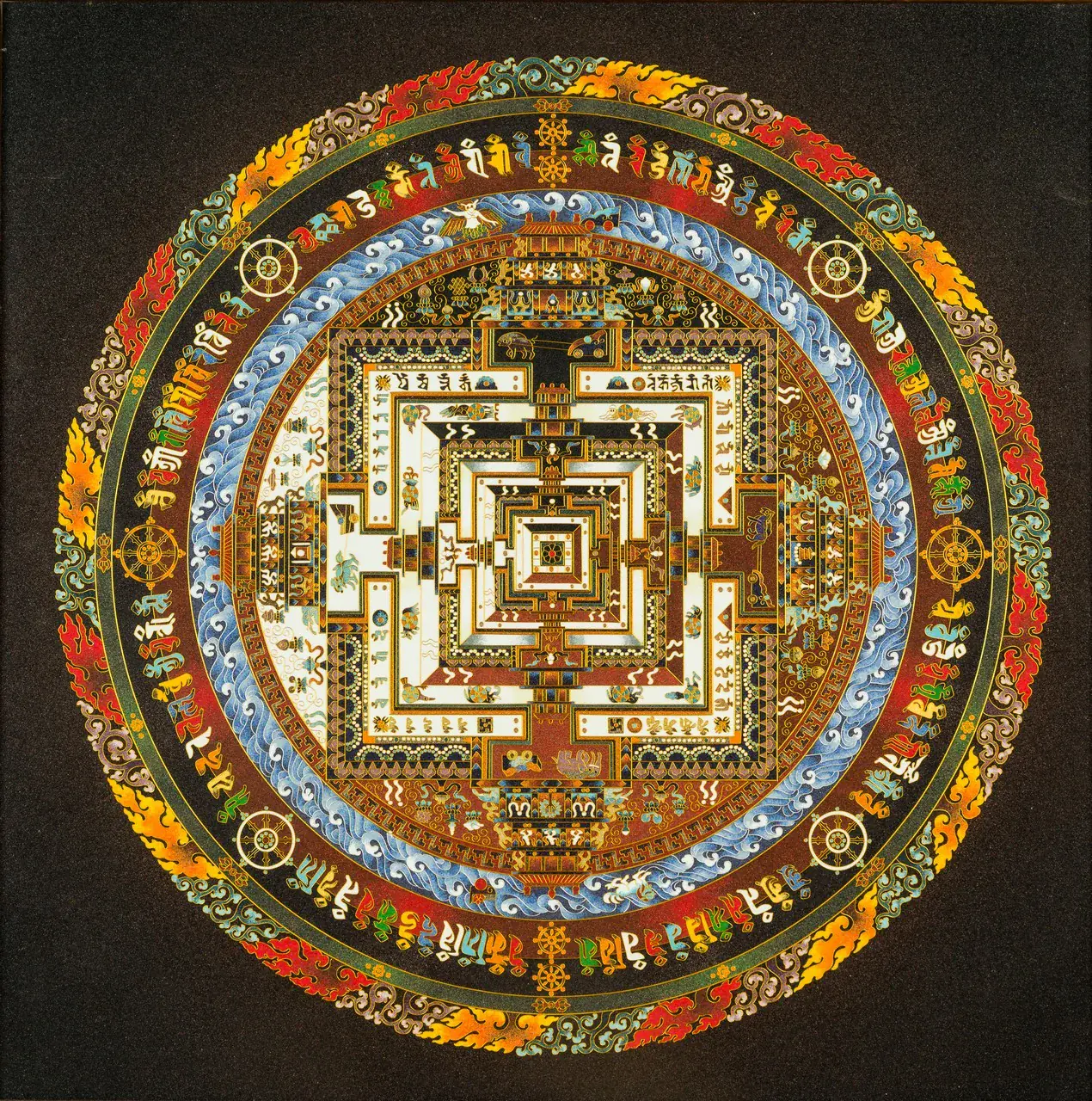
Kalachakra, Womb-Realm, Diamond-Realm — the universe rendered as image. Every cell must be calculated to the millimetre.
Mahakala, Palden Lhamo, the Four Heavenly Kings — wrathful protectors. Cloisonné’s most demanding chromatic palette.
Tsongkhapa, Padmasambhava and the lineage masters — supports of practice and continuity of transmission.
Drawn 1:1 against the canonical proportions of the Buddhist Image-Measurement Sutra. Every line has a source.
A restrained, precise contour fixes the architecture of the piece before a single wire is bent.
Gold-plated aluminium wire is bent by hand along the master drawing, building rhythm and depth across the picture plane.
Mineral enamel is packed cell-by-cell in the traditional dianlan technique, colour layered on colour to natural saturation.
Linghua’s proprietary setting medium fixes the enamel at ambient temperature — preserving the gem-like grain of the pigment without kiln distortion.
Mounted, signed, numbered and issued with a bilingual certificate. Ready to be lived with for generations.
Mineral enamel set with our own medium remains chromatically stable for centuries.
Gold wire stands 0.5–1 mm above the substrate. Under raking light, the surface reads as fine relief — impossible in painted thangka.
Cobalt blue, chrome green, selenium red, cadmium yellow — every colour drawn directly from its source mineral.
Unlike high-fire cloisonné, Linghua’s ambient setting preserves the gem-like granularity of the original enamel and gives the surface a tactile, warm presence.
Painted thangka uses mineral pigment on cloth or paper — the picture is flat. Linghua’s cloisonné thangka follows the same iconometric canon, but the drawing exists physically as gold wire bent by hand, with mineral enamel filling each cell. The result is a three-dimensional, gem-like surface that does not fade.
A 60 × 80 cm collector-grade thangka takes 90–120 days. Large pieces (80 × 120 cm and above) or complex mandalas require 6–12 months. Progress photographs are sent throughout production.
Each work is signed by Linghua (Deng Shan, 5th-generation lineage holder), numbered, photographed at four angles, and issued with a bilingual certificate referencing material, iconography, dimensions and edition.
Yes. We have produced consecration-grade thangka for monasteries in Lingnan, Sichuan-Tibet and the Beijing-Tianjin region, as well as for private shrines and meditation rooms. All Buddhist iconography strictly follows canonical proportions; consecration can be arranged on request.
Mid-format collector pieces range from approximately USD 4,500 to USD 12,000; large collector and mandala works from USD 12,000 to USD 45,000. Custom commissions are quoted on enquiry. Every work carries a certificate of authenticity.
Yes. International shipping is handled by DHL Art Service in dedicated wooden crates with full insurance. We have shipped to collectors in 30+ countries.